Stelka Textiles – Leading Geo Grid Manufacturers in Delhi
In today’s fast-evolving construction and infrastructure industry, ensuring stability, durability, and cost-efficiency is critical. One of the most effective solutions widely used by engineers and builders is Geo Grid. Whether it’s road construction, soil reinforcement, or slope stabilization, geo grids have become an essential material in civil engineering.
What is a Geo Grid?
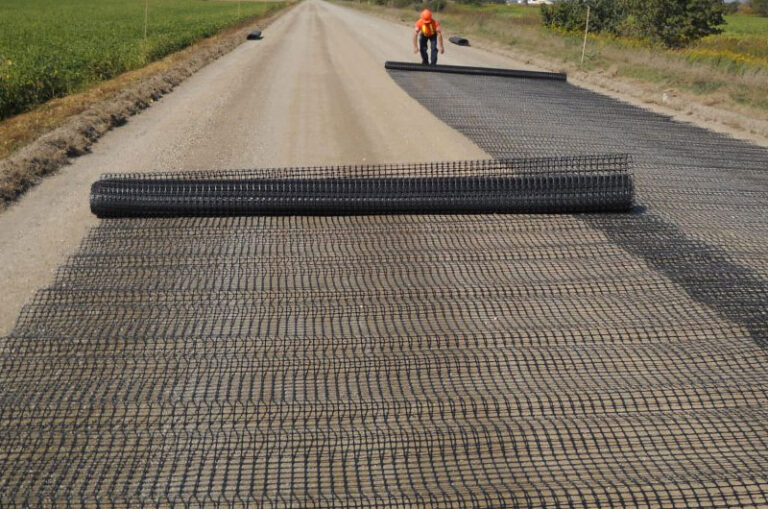
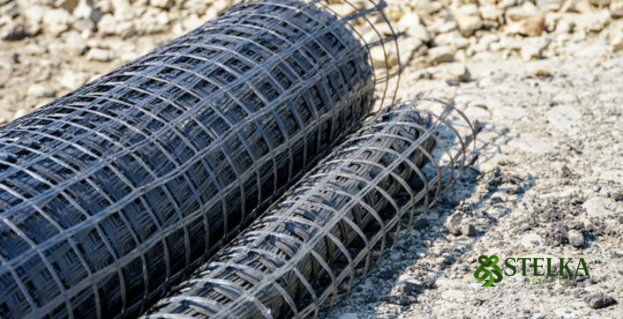
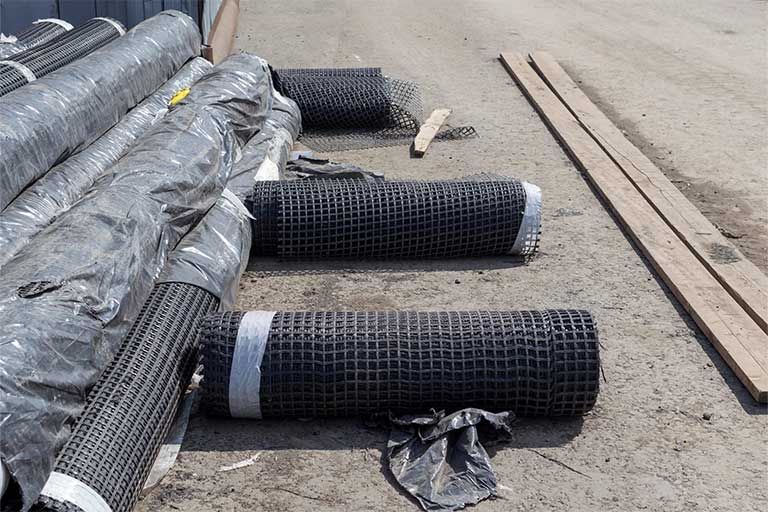
A Geo Grid is a geosynthetic material made from polymers like polypropylene, polyester, or polyethylene. It is designed in a grid-like structure with open spaces (apertures) that allow soil, aggregate, or other materials to interlock within it.
This interlocking mechanism improves the strength and load-bearing capacity of the soil, making it ideal for weak or unstable ground conditions.
Types of Geo Grids
Geo grids are generally classified into three main types:
- Uniaxial Geo Grid
- Strong in one direction
- Used for retaining walls and steep slopes
- Biaxial Geo Grid
- Equal strength in both directions
- Commonly used in road construction
- Triaxial Geo Grid
- Triangular structure for multidirectional strength
- Offers superior load distribution
Key Functions of Geo Grids
Geo grids perform multiple critical functions in construction:
- Soil Reinforcement: Enhances soil strength and stability
- Load Distribution: Spreads heavy loads evenly
- Erosion Control: Prevents soil movement and erosion
- Improved Durability: Extends the life of roads and structures
Applications of Geo Grids
Geo grids are used across various sectors:
- Road and highway construction
- Railway tracks
- Retaining walls
- Embankments and slopes
- Pavement reinforcement
- Landfills and drainage systems
Advantages of Using Geo Grids
Using geo grids offers several benefits:
- Reduces construction costs
- Minimizes maintenance needs
- Increases structural lifespan
- Improves safety and performance
- Eco-friendly solution
How Geo Grid Works
Geo grids work by creating a mechanical interlock with soil particles. When load is applied, the grid distributes stress across a wider area, preventing deformation and failure.
This makes weak soil behave like a stronger foundation, reducing the need for excessive excavation or replacement.
Conclusion
Geo grids have revolutionized the way modern infrastructure is built. By improving soil performance and reducing costs, they offer a smart, sustainable solution for construction challenges.
Whether you are building roads, stabilizing slopes, or reinforcing foundations, geo grids provide reliability, efficiency, and long-term value.
About The Author