Geotextile Fabric Manufacturers in Pune | Stelka Textiles
Introduction
Are you searching for reliable Geotextile Fabric Manufacturers in Pune for construction, infrastructure, road development, drainage, and soil stabilization projects? Stelka Textiles provides geosynthetic and technical textile solutions designed to support modern construction requirements. Geotextile fabrics play an important role in improving soil stability, controlling erosion, facilitating water movement, and separating different soil layers in civil engineering applications.
With increasing infrastructure development across Pune and Maharashtra, the demand for durable and application-specific geotextile materials continues to grow. These fabrics are used in highways, industrial areas, residential projects, drainage systems, embankments, landscaping, and other civil engineering works.
Stelka Textiles focuses on geosynthetic solutions for construction and infrastructure applications, including geotextile fabric, non-woven geotextile, HDPE geocell, drainage boards, and related products. The company serves customers seeking dependable materials for projects where durability, drainage performance, and ground stability are important.
If you are a contractor, builder, civil engineer, infrastructure developer, or project procurement professional, choosing the appropriate geotextile fabric can help improve construction performance and support long-term project requirements.
What Is Geotextile Fabric?
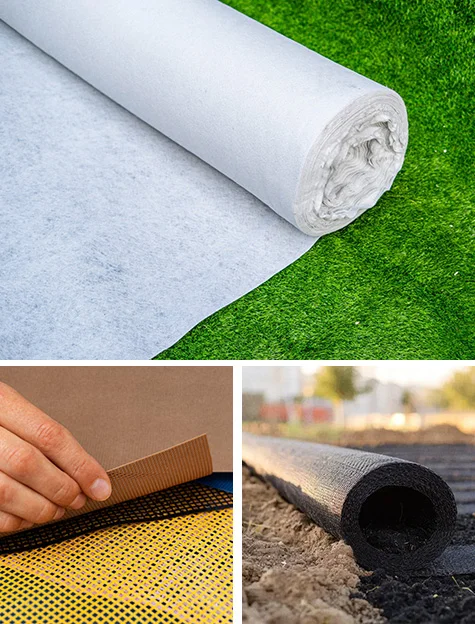
Geotextile fabric is a permeable technical textile used in combination with soil, aggregates, and other construction materials. It is commonly manufactured from synthetic polymers such as polypropylene or polyester, depending on the intended application and required performance.
Unlike ordinary textile fabrics, geotextiles are engineered to perform specific functions in civil engineering projects. These include soil separation, filtration, drainage, reinforcement, and erosion control.
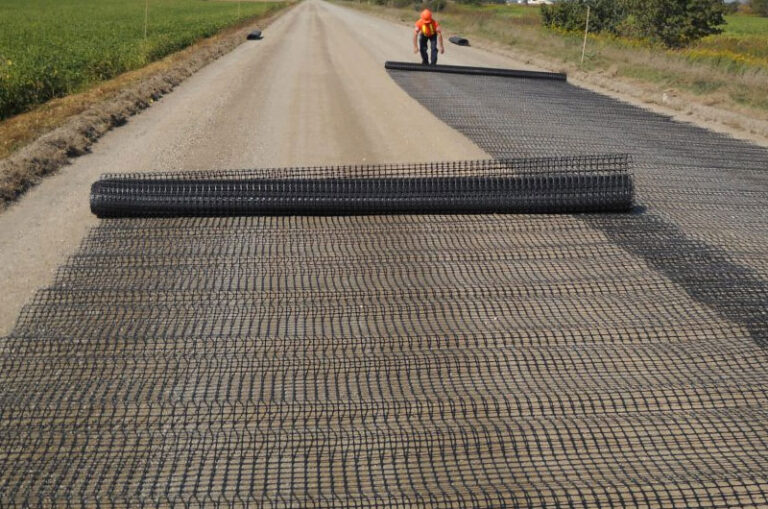
For example, during road construction, geotextile fabric can be installed between the existing soil and the aggregate layer. This helps prevent the materials from mixing while allowing water to pass through when the selected fabric is designed for that purpose.
Similarly, geotextiles are used in drainage systems to retain soil particles while allowing water to flow through the fabric. The appropriate product depends on soil conditions, water flow requirements, installation methods, and project specifications.
Why Choose Geotextile Fabric Manufacturers in Pune?
Pune is an important industrial and infrastructure development centre in Maharashtra. Construction companies, road contractors, engineering consultants, and real estate developers require materials suitable for varied ground conditions and demanding project schedules.
Working with a suitable geotextile fabric manufacturer or supplier helps project teams identify materials that meet their technical requirements.
Key benefits include:
- Improved soil separation: Helps prevent the mixing of soil and aggregate layers.
- Effective filtration: Allows water to pass while retaining soil particles when properly specified.
- Drainage support: Supports water movement in suitable drainage applications.
- Soil reinforcement: Certain high-strength geotextiles help distribute loads and improve ground performance.
- Erosion control: Helps protect vulnerable soil surfaces when used in an appropriate system.
- Construction efficiency: Correct material selection and installation can reduce maintenance and repair requirements.
When evaluating geotextile fabric manufacturers in Pune, buyers should compare tensile strength, permeability, puncture resistance, fabric weight, opening size, and compliance with project specifications.
Types of Geotextile Fabric Available for Construction Projects
1. Woven Geotextile Fabric
Woven geotextile fabric is manufactured by interlacing yarns or polymer tapes to form a structured textile. It is often selected for applications requiring high tensile strength and controlled elongation.
Common applications include road construction, soil stabilization, embankments, retaining structures, and reinforcement projects.
The fabric specification should be selected according to the expected loading conditions, subgrade characteristics, and engineering design.
2. Non-Woven Geotextile Fabric
Non-woven geotextile fabric is produced by bonding or entangling fibres into a textile sheet. Needle-punched non-woven fabrics are commonly used where filtration, separation, drainage, and cushioning properties are required.
Typical applications include drainage trenches, foundation protection, landscaping, road construction, and erosion-control systems.
Non-woven geotextiles are available in different weights and thicknesses. The appropriate grade depends on the soil type, flow requirements, installation conditions, and expected mechanical stress.
3. Geotextile Fabric for Road Construction
Road projects require stable subgrades and properly separated pavement layers. Geotextile fabric can help prevent fine soil from migrating into the aggregate layer and support the performance of the road structure.
Depending on the design, it may also provide filtration or reinforcement functions. It is useful to evaluate the subgrade strength, expected traffic loading, aggregate characteristics, and drainage requirements before selecting a product.
4. Geotextile Fabric for Drainage
Drainage applications require materials that allow water to move while limiting the passage of soil particles. A properly selected geotextile can be used around drainage aggregates, behind retaining structures, and in suitable foundation drainage systems.
The fabric’s apparent opening size and permeability should be compatible with the surrounding soil to help prevent clogging and maintain effective water flow.
Applications of Geotextile Fabric in Pune
Road and Highway Construction
Roads and highways are among the major applications of geotextiles. The fabric can separate the subgrade from aggregates, provide filtration, and support soil reinforcement where required.
Its performance depends on correct design, site preparation, installation, and compatibility with the road construction materials.
Building and Foundation Projects
Geotextile fabrics are used in selected foundation and ground improvement applications. They can help separate soil layers, support drainage systems, and protect other geosynthetic materials from damage.
For building projects, the fabric must be selected according to foundation conditions and the recommendations of the project engineer.
Drainage and Water Management
Effective drainage helps manage excess water around buildings, retaining walls, landscaped areas, and infrastructure. Geotextiles can serve as filter layers around drainage aggregates and pipes.
Using a suitable fabric helps retain surrounding soil while permitting water to enter the drainage system.
Landscaping and Gardening
Geotextile fabrics can be used in landscaping projects, pathways, garden construction, and selected ground-cover applications. Their purpose may include separating soil from decorative aggregates, managing drainage, or limiting the migration of fine particles.
Product selection should reflect exposure conditions, water requirements, and the intended service life.
Erosion Control and Slope Protection
Slopes, embankments, and exposed soil surfaces may be vulnerable to erosion caused by rainfall and flowing water. Geotextiles can be incorporated into suitable erosion-control systems to help retain soil and support surface stability.
For demanding slopes and water channels, the overall system may also require vegetation, protective mats, anchoring, or other engineered measures.
Industrial and Infrastructure Projects
Industrial parks, warehouses, transport facilities, and infrastructure developments may require geotextiles for separation, drainage, and ground stabilization. The material should be selected according to site conditions and the relevant engineering requirements.
Important Factors When Selecting Geotextile Fabric
Choosing the correct fabric is essential for obtaining reliable performance. Before placing an order, consider the following factors.
1. Fabric type: Determine whether woven or non-woven geotextile is appropriate for the application.
2. GSM and thickness: Select a fabric weight and thickness suitable for the expected loading and installation conditions.
3. Tensile strength: Check the required strength and elongation characteristics for reinforcement or separation applications.
4. Permeability: Confirm that the material allows sufficient water flow for the intended drainage or filtration function.
5. Opening size: For filtration applications, ensure that the fabric is compatible with the surrounding soil and particle sizes.
6. Puncture resistance: Consider the risk of damage from sharp aggregates, stones, and construction equipment.
7. Durability: Review resistance to ultraviolet exposure, chemicals, and environmental conditions relevant to the project.
8. Technical documentation: Request product specifications and relevant test reports to verify that the selected grade meets the project requirements.
A civil engineer or geotechnical consultant should confirm the final product selection for critical infrastructure applications.
Why Consider Stelka Textiles for Geotextile Fabric?
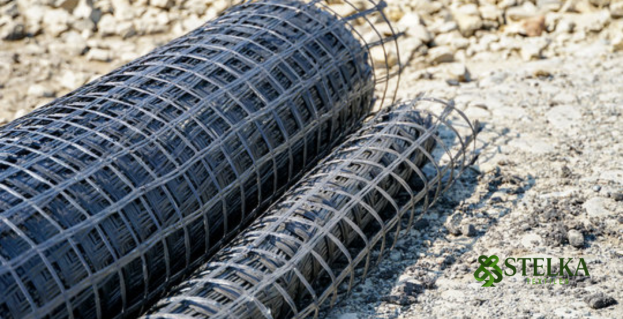
Stelka Textiles offers geosynthetic and construction-related products for infrastructure and industrial requirements. Its product range includes geotextile fabric and non-woven geotextile, along with other solutions such as GEO Grid, Geo Strip, HDPE products, geocells, and drainage boards.
For buyers in Pune, the company can be considered when exploring geotextile and related construction materials for projects in Maharashtra and other parts of India.
Customers should discuss their application, required dimensions, fabric specifications, quantity, and delivery location with the company before finalizing an order. Product availability, technical characteristics, and delivery timelines should be confirmed directly.
To learn more about its products, visit the official website: https://www.stelkatextiles.com/
Benefits of Using Quality Geotextile Materials
Selecting suitable geotextile materials can support construction quality and improve the performance of engineered systems.
- Helps maintain separation between soil and aggregate layers.
- Supports effective filtration in properly designed drainage systems.
- Can improve ground performance when used for appropriate reinforcement applications.
- Helps manage erosion when incorporated into a suitable protective system.
- Supports the durability of roads, embankments, and other infrastructure.
- May reduce maintenance requirements when correctly specified and installed.
These benefits depend on product quality, engineering design, installation practices, and the conditions at the project site. Geotextiles are not a replacement for proper drainage design, soil investigation, or structural engineering.
Geotextile Fabric Suppliers in Pune for Bulk Requirements
Construction contractors and infrastructure companies often require geotextile fabrics in bulk quantities for ongoing projects. Before purchasing, it is useful to provide the supplier with the required fabric type, GSM, roll width, total quantity, intended application, and delivery schedule.
Requesting a technical datasheet and relevant test reports helps buyers compare products based on measurable performance rather than price alone.
For large projects, procurement teams should also confirm packaging, transportation arrangements, material inspection procedures, and the availability of repeat supplies.
Stelka Textiles can be contacted to discuss geotextile fabric requirements and related geosynthetic products. Buyers should verify the specifications and commercial terms for their particular project.
Conclusion
Geotextile fabric is an important material for modern civil engineering, road development, drainage, soil separation, and erosion-control applications. Selecting the right woven or non-woven fabric can help improve project performance, support ground stability, and manage water movement when the material is appropriately designed and installed.
If you are looking for Geotextile Fabric Manufacturers in Pune, consider your project’s technical requirements, the manufacturer’s product range, quality documentation, and supply capabilities before making a decision.
Stelka Textiles provides geosynthetic and construction-related material solutions for customers exploring geotextile fabric and associated products. Contact the company through its official website to discuss your requirements, request product details, and identify a suitable material for your application.
Frequently Asked Questions (FAQs)
1. What is geotextile fabric used for?
Geotextile fabric is used for soil separation, filtration, drainage, reinforcement, and erosion control. It is commonly applied in roads, highways, foundations, drainage systems, embankments, and landscaping projects.
2. Who are the geotextile fabric manufacturers in Pune?
Buyers can research geotextile fabric manufacturers and suppliers serving Pune by comparing product specifications, manufacturing capabilities, quality documentation, and delivery arrangements. Stelka Textiles is one company to contact for geotextile and related geosynthetic products. Confirm its current supply options for Pune directly.
3. What is the difference between woven and non-woven geotextile fabric?
Woven geotextiles are made by interlacing yarns or polymer tapes and are often used where high tensile strength is required. Non-woven geotextiles are made by bonding or entangling fibres and are commonly selected for filtration, drainage, and separation.
4. How do I choose the right geotextile fabric for road construction?
Consider the subgrade soil, traffic loading, aggregate type, drainage needs, tensile strength, puncture resistance, and project specifications. A qualified civil or geotechnical engineer should determine the appropriate grade.
5. Is non-woven geotextile suitable for drainage?
Yes. Suitable non-woven geotextiles are commonly used as filter layers in drainage systems. The fabric must have appropriate permeability and opening size for the surrounding soil to reduce the risk of clogging.
6. What factors affect geotextile fabric prices in Pune?
Prices depend on fabric type, GSM, polymer material, tensile strength, roll dimensions, order quantity, transportation, and technical requirements. Request a quotation based on the exact specifications and quantity required.
7. Can geotextile fabric help prevent soil erosion?
Geotextile fabric can help control soil movement when incorporated into an appropriate erosion-control system. The correct product and installation method depend on the slope, soil, rainfall, and water-flow conditions.
8. Does Stelka Textiles supply geotextile fabric outside its home region?
Stelka Textiles serves customers seeking geosynthetic and construction-related products. Contact the company directly to confirm delivery availability, shipping arrangements, minimum order quantities, and lead times for Pune and other locations.
9. What details should I provide when requesting a quotation?
Provide the application, woven or non-woven requirement, GSM, roll width, quantity, delivery location, and any applicable engineering specifications. Sharing these details helps the supplier recommend an appropriate product and prepare a relevant quotation.
10. How can I contact Stelka Textiles?
Visit https://www.stelkatextiles.com/ to explore its products and contact details. You can enquire about geotextile fabric, non-woven geotextile, and related geosynthetic materials for your project.
About The Author